Thirteenth Sunday in Ordinary Time (Year A)
by Fr. Joseph Ruan
In this Sunday's Gospel, Jesus challenges us to consider the cost and priorities of Christian discipleship. Similar to the Jewish culture at Jesus's time, traditional Chinese culture tends to place the family at the top of its hierarchy of values. Yet Jesus says that our love for him must be even greater than our love for our families. Fr. Joseph Run reminds us of the ultimate question: 在我的生命中,究竟谁排在第一位? (Who is most important in my life?)
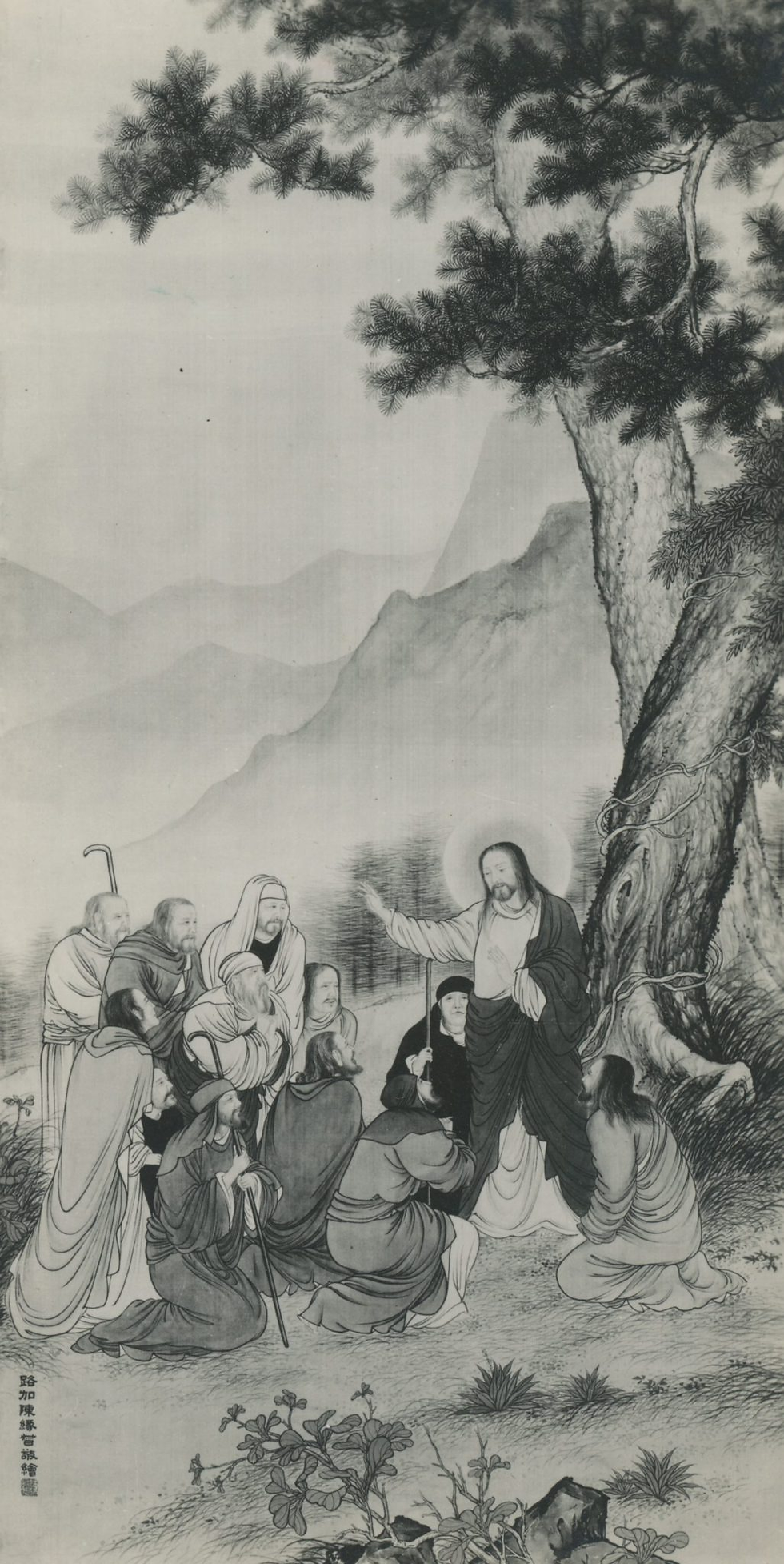
Fr. Joseph's reflection is included below, in Chinese and then in English:
Scripture Reflection in Simplified Chinese:
常年期第十三主日(甲年)
今天的福音中,耶稣说了一句令人震撼的话:「谁爱父母胜过爱我,不配作属于我的人; 谁爱儿女胜过爱我,不配作属于我的人。」(玛10:37)初听这句话,许多人都会感到困惑。 天主不是在十诫中命令人要孝敬父母吗? 耶稣为什么又要求门徒爱祂胜过自己的父母和子女? 难道耶稣反对家庭,反对亲情吗? 若只看今天这几节福音,很容易产生误解。 因此,我们必须回到《玛窦福音》第十章的整个背景,才能真正明白耶稣的教导。
《玛窦福音》全书共有五大讲论,第十章是第二篇讲论,通常称为「宗徒训示」(Missionary Discourse)。 在第十章开始,耶稣召叫了十二宗徒,赐给他们驱魔治病的权柄,并派遣他们到以色列各城镇宣讲:「天国临近了。」(玛10:1-15)然而,耶稣并没有向他们描绘一幅充满成功和掌声的图画。 相反地,从第十章十六节开始,耶稣便预告门徒将面对迫害:「我派遣你们去,如同羊进入狼群。」(玛10:16)他们将被交付公议会,在会堂里受鞭打,甚至被带到总督和君王面前作证。 更令人痛心的是,迫害不仅来自外面,也可能来自自己的家庭。 「兄弟将交出兄弟,父亲将交出儿子; 儿女也要起来反对父母。」(玛10:21)因此,今天福音所记载的玛窦福音10:37-42,正是整篇「宗徒训示」的结束,也是耶稣在派遣门徒前最后的勉励。 祂讨论的不是家庭伦理,而是门徒的代价。
要理解耶稣这句话,还必须了解当时犹太人的文化背景。 在第一世纪的犹太社会,家庭是整个人生命的中心。 一个人的身份、信仰、财产、名誉、职业,甚至宗教生活,都与家族密不可分。 若被家庭拒绝,往往意味着失去住所、失去产业,也失去在社会中的立足之地。 因此,耶稣要求人「爱我胜过爱父母」,对当时的人而言,是一项极大的挑战。
然而,耶稣并不是废除第四诫「孝敬父母」。 祂曾严厉责斥法利塞人,因他们借着人的传统逃避奉养父母的责任(参阅玛15:3-9)。 因此,耶稣今天所教导的,不是减少对父母的爱,而是建立爱的正确次序。 天主是一切生命的根源,也是一切爱的源头。 只有当天主居于生命的首位,我们才能真正去爱父母、配偶、子女以及所有的人。 若把任何人放在天主之上,即使是最亲近的家人,也可能不知不觉成为生命中的「偶像」。 第一诫始终是其他诫命的基础; 唯有先全心爱天主,我们才能按照天主的旨意去爱近人。
耶稣的这句话,同时也揭示了祂自己的身分。 在整部旧约中,没有任何一位先知敢要求人爱自己胜过父母。 梅瑟没有,厄里亚没有,今天读经一中的厄里叟也没有。 叔能妇人尊敬厄里叟,不是因为厄里叟本身,而是因为她认出「这位时常路过我们这里的天主的人,是一位圣者。」(列下4:9)先知只是带领人归向天主,从不取代天主。 然而,耶稣却要求门徒把祂放在生命的第一位。 若耶稣只是一位老师、一位先知,祂绝没有资格提出这样的要求。 正因为祂是降生成人的天主子,与圣父原为一体,所以祂要求人完全忠于祂,其实就是要求人完全忠于天主。 今天这段福音,也因此启示了基督的天主性。
接着,耶稣说:「谁不背起自己的十字架跟随我,不配作属于我的人。」(玛10:38)我们今天看到十字架,想到的是救恩、复活和爱。 但在耶稣说这句话时,祂尚未被钉十字架。 对当时的人而言,十字架是罗马帝国最残酷的死刑工具,是羞辱、痛苦和死亡的象征。 耶稣早已知道自己将走向十字架,也清楚告诉门徒:凡愿意跟随祂的人,也要准备走同样的道路。 信仰不是追求舒适,而是忠于真理; 门徒不是寻找掌声,而是愿意为基督作证。
当然,耶稣所说的十字架,并非泛指人生所有的不幸。 疾病、衰老、天灾或失败,是每一个人都可能遇到的处境。 福音中的十字架,更是指为了忠于基督而甘愿承受的牺牲。 例如,在充满诱惑的社会中仍然坚持诚实; 在家庭冲突中选择宽恕; 在充满世俗价值的环境中仍忠于信仰; 为了守护婚姻、生命和福音真理而付出代价。 这样的十字架,因与基督的十字架结合,便成为救恩的道路。
因此,耶稣接着说:「谁想保存自己的性命,反而要丧失性命; 谁为我的缘故丧失了性命,必要获得性命。」(玛10:39)这句话是整部福音最重要的属灵法则之一。 世俗认为,人生最大的成功就是保全自己、追求财富、地位、享受和安全; 然而,耶稣却指出,一个只为自己而活的人,最后反而失去生命真正的意义。 真正的生命,是在奉献中找到; 真正的喜乐,是在爱中获得; 真正的自由,是在完全交托天主时才能实现。 耶稣自己就是最好的榜样。 祂在十字架上交付了自己的生命,世人看来是一场失败,但正是借着祂的死亡与复活,救恩临到全人类。 因此,基督徒生命的规律始终是:十字架引向复活,死亡带来生命,奉献成就真爱。
今天第二篇读经,圣保禄正好帮助我们理解这个奥秘。 他说:「我们藉洗礼已归于死亡,与他同葬了,为使我们度新生活,如同基督藉父的光荣从死者中复活一样。」(罗6:4)洗礼并不是人生的一项宗教仪式,而是基督徒新生命的开始。 当我们受洗时,旧人已与基督同死,新人与基督一同复活。 因此,耶稣要求我们背起十字架,不是单靠人的意志去忍耐,而是依靠洗礼所赐的恩宠,在基督内不断向罪恶、自私、骄傲和旧我死去,使基督的新生命在我们身上日益彰显。
第一篇读经则为今天福音最后一段提供了一个美好的例证。 叔能妇人认出厄里叟是天主的圣者,便热情接待他,还特别在屋顶盖了一间小房子,放置床、桌子、椅子和灯,好让他每次经过时可以休息。 她这样做,并不是为了得到回报,而是出于对天主的敬爱。 最后,天主却藉厄里叟赏赐她一个多年所渴望的儿子。 这正印证了耶稣今天所说的:「谁接纳你们,就是接纳我; 谁接纳我,就是接纳那派遣我来的。」(玛10:40)接待天主的使者,就是接待天主。
福音最后,耶稣更说:「谁若只给这些弱小中的一个一杯凉水喝,因为他是门徒,我实在告诉你,他决不会得不到他的赏报。」(玛10:42)在炎热干旱的巴勒斯坦,一杯凉水虽然微不足道,却能带来真正的安慰。 耶稣借此提醒我们,天主所重视的,不一定是轰轰烈烈的大事,而是每一天那些出于爱德的小事。 一句鼓励的话,一次真诚的探望,一个温暖的微笑,一次耐心的陪伴,一个默默的服务,只要是因着基督而做,天主都看见,也必赏报。
今天的福音最后留给我们一个值得每一位基督徒反省的问题:在我的生命中,究竟谁排在第一位? 我们也许都会回答:「当然是天主。」然而,真正的答案,往往表现在我们每天的生活里。 我们是否把工作放在第一位? 是否把金钱、名誉、事业、享受,甚至把自己的孩子或家庭放在天主之前? 耶稣并不是要我们减少对家人的爱,而是教导我们:只有当天主居于生命的中心,我们才能真正按照祂的爱去爱每一个人。
希望我们常常记住,门徒的道路从来不是一条容易的道路,但却是一条通往永生的道路。也希望我们以基督为生命的首位,勇敢背起自己的十字架,善用洗礼所赐的新生命,在每天平凡的生活中,以爱德接待他人,以忠信跟随基督。 如此,我们必将经验到主耶稣所应许的恩宠,并在永生中获得那永不朽坏的赏报。
Scripture Reflection in English:
Thirteenth Sunday in Ordinary Time (Year A)
The Gospel for this Sunday contains some of the most challenging words Jesus ever spoke: “Whoever loves father or mother more than me is not worthy of me… whoever does not take up his cross and follow after me is not worthy of me” (Mt 10:37-38). At first glance, these words may sound severe, even disturbing. Does Jesus ask us to love our families less? Does He contradict the Fourth Commandment, “Honor your father and your mother” (Ex 20:12)? To understand His teaching correctly, we must first understand the biblical and historical context in which these words were spoken.
Matthew 10 is often called the Missionary Discourse, the second of the five great discourses in Matthew’s Gospel. After calling the Twelve Apostles by name (Mt 10:1-4), Jesus sends them out to proclaim that “the Kingdom of heaven is at hand” (Mt 10:5-15). Before they begin their mission, however, He does not promise them success or popularity. Instead, He prepares them for the reality of discipleship. Beginning in Matthew 10:16, Jesus warns them that they will be “like sheep in the midst of wolves.” They will be handed over to councils, scourged in synagogues, brought before governors and kings, hated because of His name, and even betrayed by members of their own families (Mt 10:16-36). The verses proclaimed in today’s Gospel (Mt 10:37-42) conclude this entire missionary discourse. They are Jesus’ final instruction before the Apostles begin their mission. Therefore, today’s Gospel is not primarily a lesson about family relationships; it is a teaching about the cost and priority of Christian discipleship.
To appreciate the force of Jesus’ words, we must also remember the culture of first-century Judaism. Family was the center of religious, social, and economic life. A person’s identity was inseparable from his family, clan, and ancestors. To be rejected by one’s family often meant losing one’s home, inheritance, livelihood, and place within society. Moreover, honoring one’s parents was not merely a cultural expectation but one of the Ten Commandments. Against this background, Jesus’ statement would have sounded astonishing: “Whoever loves father or mother more than me is not worthy of me.”
Jesus is not abolishing the commandment to honor parents. In fact, elsewhere He strongly condemns those who neglect their parents under the pretense of religious devotion (Mt 15:3-9; Mk 7:9-13). Rather, Jesus is establishing the proper order of love. God must always occupy the first place because He is the source of every other love. Our love for parents, spouse, children, and friends becomes authentic only when it flows from our love for God. If any human relationship takes the place that belongs to God alone, even something as beautiful as family, that relationship can become an idol. The First Commandment always precedes the Fourth. Only when God is first can every other relationship flourish according to His will.
Jesus’ words also reveal a profound truth about His own identity. Throughout the Old Testament, the prophets called Israel to love and obey God, but no prophet ever demanded that people love him more than their own parents. Moses never asked for such devotion. Elijah never claimed such authority. Even Elisha, whom we encounter in today’s first reading, was honored only because he was recognized as “a holy man of God” (2 Kgs 4:9). Jesus, however, says, “Whoever loves father or mother more than me is not worthy of me.” Such a claim would be impossible for a mere teacher or prophet. Jesus can demand absolute allegiance because He is more than a prophet; He is the incarnate Son of God. Hidden within today’s Gospel is a profound Christological truth: to choose Christ above everything else is to choose God Himself.
Jesus continues, “Whoever does not take up his cross and follow after me is not worthy of me” (Mt 10:38). We often hear these words after centuries of Christian reflection, with the image of the crucifix before our eyes. The first disciples, however, had not yet witnessed Jesus’ Passion. At that time, the cross was not a religious symbol but an instrument of Roman execution reserved for criminals and rebels. It represented humiliation, suffering, and death. Therefore, Jesus was telling His disciples from the very beginning that following Him would never be a path of worldly success alone. Discipleship requires sacrifice, perseverance, and complete trust in God.
The cross that Jesus speaks about is not simply any hardship that enters our lives. Illness, disappointment, or personal struggles are part of the human condition. The Christian cross is the suffering that comes from remaining faithful to Christ. It may involve forgiving when forgiveness is difficult, defending the truth when it is unpopular, remaining faithful to one’s marriage, persevering in one’s vocation, or refusing to compromise one’s conscience. Every disciple has a unique cross, but every cross becomes meaningful when it is united to the Cross of Christ.
Jesus then presents one of the greatest paradoxes in the Gospel: “Whoever finds his life will lose it, and whoever loses his life for my sake will find it” (Mt 10:39). The world teaches us to preserve ourselves, to seek comfort, success, recognition, and security above everything else. Jesus reverses this logic. A life centered entirely on oneself ultimately becomes empty. Authentic life is discovered only through self-giving love. This paradox reaches its fulfillment in Christ Himself. On Good Friday, Jesus appeared to lose everything. Yet through His Resurrection He conquered sin and death forever. The pattern of the Christian life is therefore always the same: the Cross leads to Resurrection, death leads to life, and self-giving leads to true joy.
Saint Paul develops this same mystery in today’s second reading from Romans. “We were indeed buried with him through baptism into death, so that, just as Christ was raised from the dead… we too might live in newness of life” (Rom 6:4). Baptism is not merely a beautiful ceremony marking our entrance into the Church. It is our participation in Christ’s Paschal Mystery. Through Baptism the old person dies, and a new creation is born. Therefore, Jesus’ call to lose our lives is not merely a moral challenge but the continuation of what began at Baptism. Every day Christians are invited to die to selfishness, pride, resentment, greed, and sin so that the life of Christ may become more visible within them.
Today’s first reading beautifully illustrates the final section of the Gospel. The woman of Shunem recognized Elisha as “a holy man of God” and generously welcomed him into her home. She prepared a room with a bed, a table, a chair, and a lamp so that he might stay whenever he visited (2 Kgs 4:8-11). Her generosity was not motivated by the desire for a reward but by faith. Yet God blessed her with the unexpected gift of a son. Jesus echoes this same principle when He says, “Whoever receives you receives me, and whoever receives me receives the one who sent me” (Mt 10:40). Hospitality shown to God’s messenger becomes hospitality shown to God Himself.
The Gospel concludes with one of the most comforting promises Jesus ever made: “Whoever gives only a cup of cold water to one of these little ones to drink because the little one is a disciple… will surely not lose his reward” (Mt 10:42). In the ancient Near East, where clean drinking water was precious, even offering a cup of cold water was considered an act of genuine kindness. Jesus reminds us that God’s Kingdom is built not only through heroic sacrifices but also through countless hidden acts of charity. Many Christians will never preach before thousands or die as martyrs, but every believer can offer kindness, hospitality, encouragement, forgiveness, and compassion. No act of love performed for Christ is ever too small to be noticed by God.
Today’s Gospel ultimately asks one simple but searching question: Who truly occupies the first place in my life? Most Christians would immediately answer, “God.” Yet our daily priorities often reveal a different story. Work can become our highest priority. Financial success can become our greatest concern. Comfort, reputation, personal ambitions, or even our own family can quietly replace God at the center of our lives. Jesus does not ask us to love our families less. Rather, He teaches that only when God is first can we truly love everyone else with the love that comes from Him.
Christian discipleship is not measured by the number of prayers we recite or the religious activities we perform. It is measured by the place Christ occupies in our hearts. If Christ is truly first, then every decision, every relationship, every sacrifice, and every act of charity will reflect His presence. Like the woman of Shunem, may we welcome the Lord into our homes. Like the Apostles, may we remain faithful even when discipleship demands sacrifice. And through the grace we received in Baptism, may we carry our cross with hope, knowing that whoever loses his life for Christ will ultimately find the fullness of eternal life.
Fr. (Joseph) Guozhang Ruan was born and ordained in China. After serving in parish ministry in the Diocese of Mindong, Fujian, he pursued advanced studies in moral theology in Rome, earning a doctorate from the Pontifical Lateran University. Since coming to the United States in 2004, he has served in several parishes in the Archdiocese of New York. He is currently the Director of the Chinese Apostolate for the Archdiocese of New York and Parochial Vicar of Holy Rosary Church on Staten Island. His ministry focuses on serving Chinese Catholics, promoting evangelization, and fostering greater understanding between the Church in China and the universal Church.
----------------------
The USCCA is a 501(c)3 tax-exempt organization. Your donations are tax-deductible to the maximum extent allowed by law. The success of our work depends upon the generosity of people like you.